BLAST FROM THE PAST
FROM INKER TO WRITER
First things first. I dreamed about being a comic book artist since about age 11. I have a box load of my work from then, and it all sucks, but it has kid’s energy thing going on. A certain madness that only a child has, thinking they can do just about anything and giving it a try over and over till something breaks inside them. My drawings were terrible, seriously, and my lettering was shameful. My spelling resembled nothing I have ever seen come from another human being. The nuns would have beat me to death at catholic school if they ever got their hands on this. Funny thing, when I was in the grades 1-8, I was always drawing. Each book report I handed in came with a custom cover by me…and to be totally honest here, I spent way more time on the cover than the interiors. Only some of the teachers were supportive, and they were the teachers that were non-nuns or priests. Those guys loved nothing more than grabbing my work and ripping it up. A lot more of that for an upcoming therapy post, but back to me drawing comics.
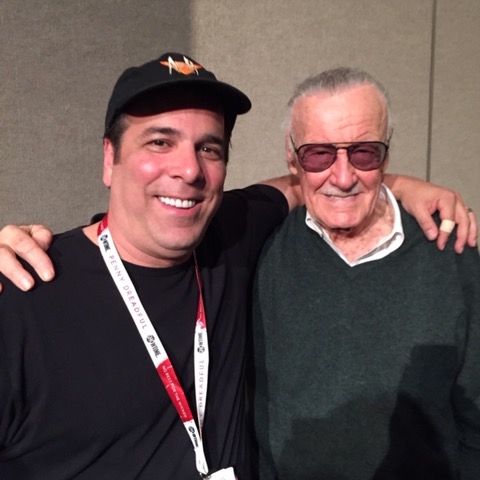
So, from that age on, I kept drawing and writing stories about my creator owned characters Novatron, The Owl, and a few other crazy characters I made up. I had a pretty supportive group of friends that would watch me draw and read all my latest adventures and I began working exclusively for my small audience every change I got. This went on for years until I was able to get myself into an art high school and get some proper training. I had 3 years of the High School of Art and Design and I learned a lot in a small period of time. I learned that it’s an insane job and you would have to be a maniac to do it for a living. The pay was horrible, the companies used us like paper towels, and in the end, I would live my life working too many hours and die miserable. What I did find out later is that an easier job that doesn’t start you with a blank page was to be an Inker…and off I went to learn everything I could about that process.
Now, to be clear, I never set out to become an inker- since I always just viewed that part of the art as a process point. Something you had to do to make the book be able to be colored or printed. Along the way, I picked up more and more work and eventually there was a time I was inking 3 books a month for Marvel comics and a boatload of other books for other publishers. Yeah, I was having fun, but it felt more like a job and less like a super fun activity- which I always pictured making comics to be.
So, I ink a ton of books, win awards, travel and sign my work and get popular in the meantime because of my work and willingness to talk to anyone. I am talking about inking over 10 k who of pages over a bunch of years and I was really getting bored, especially since the later work was by artists that needed me to “fix” their work, as the editors explained to me. I was becoming more of a “finisher” something that takes about double the time for about 20% more pay- in other words, it sucked and I was getting burned out and started resenting those jobs. They always seemed to be books that no one was really interested, thus the new inexperienced art needing to be helped.
In the meantime, I worked with Joe Quesada and we created a bunch of books together with characters like Ash, Painkiller Jane and Kid Death and Fluffy for our short-lived creator owned company Event comics. We co- wrote Ash but hired others to do the other books based on our ideas. Looking back that was a huge mistake, but a career is a long line of mistakes we learn from. Overall, It was an exciting time, but people were still viewing me as the inker and Joes artist partner and not a creator. Then Marvel Knights jumped into our laps and the writing end stopped completely and I had to wear an editor’s cap, and that delayed my work even more for a few years. But things were changing around me so I moved forward.
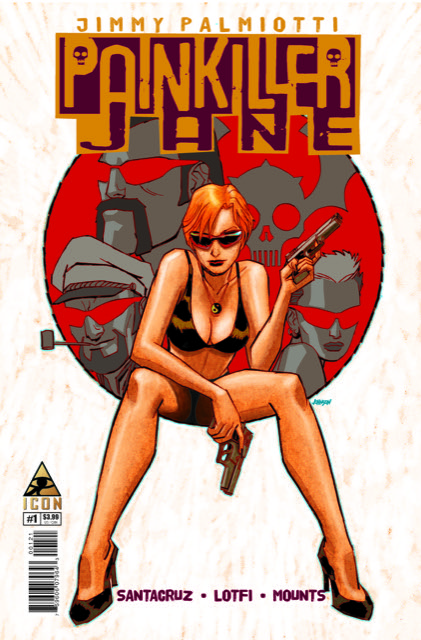
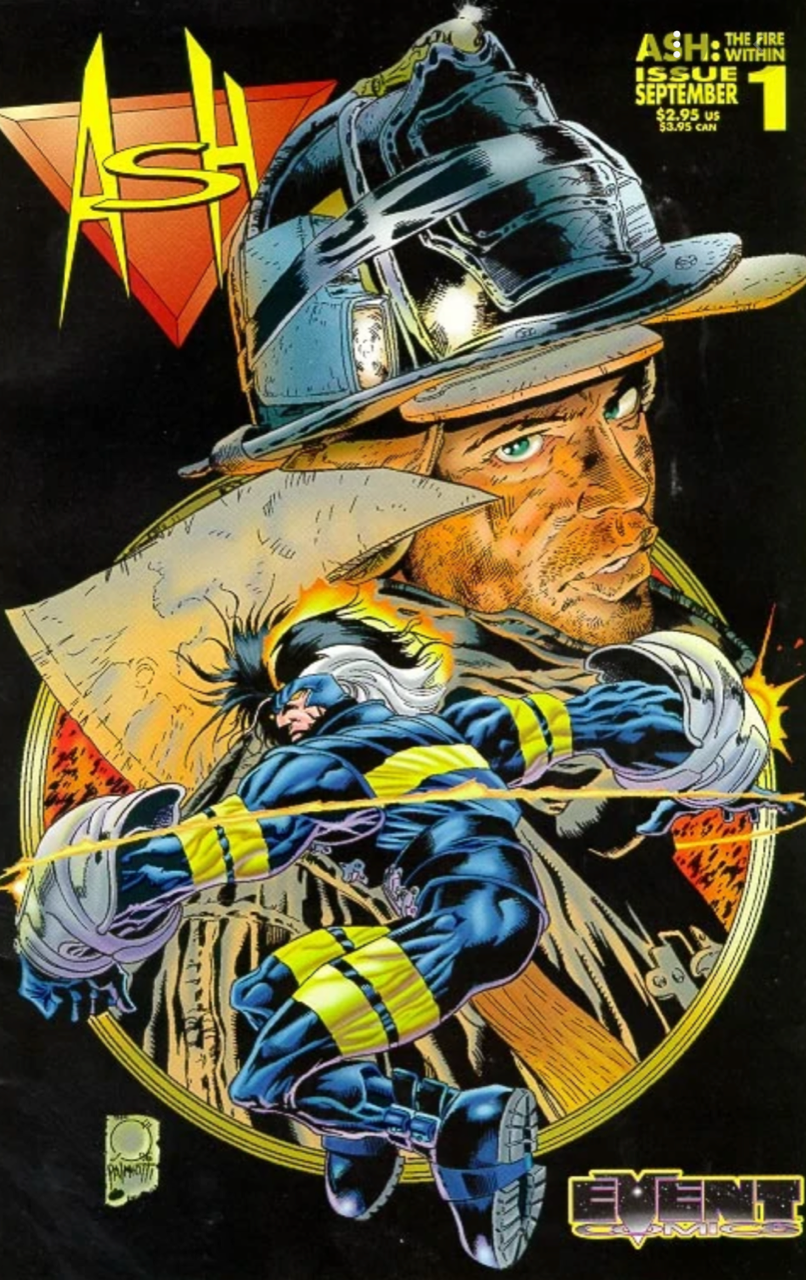
While I was doing all this I was pitching books at DC and Marvel- ideas that I wanted to write and boy, did I pitch a lot of ideas out there. The problem at first was that people looked at me as an artist and editors and mostly writers really do hate when artists write their own work, because in the end, they will take over the industry- mostly they feared it made one person too powerful and for writers, less jobs were available. So, I pitched, and pitched and got in people’s faces while I was still inking. Over time, a few editors like Mike Martz and Archie Goodwin started to look at what I was pitching more seriously and because I made a name for myself publishing and inking, it was easier for me to get my foot into this door, but once that was done, it came back to doing the hard work.
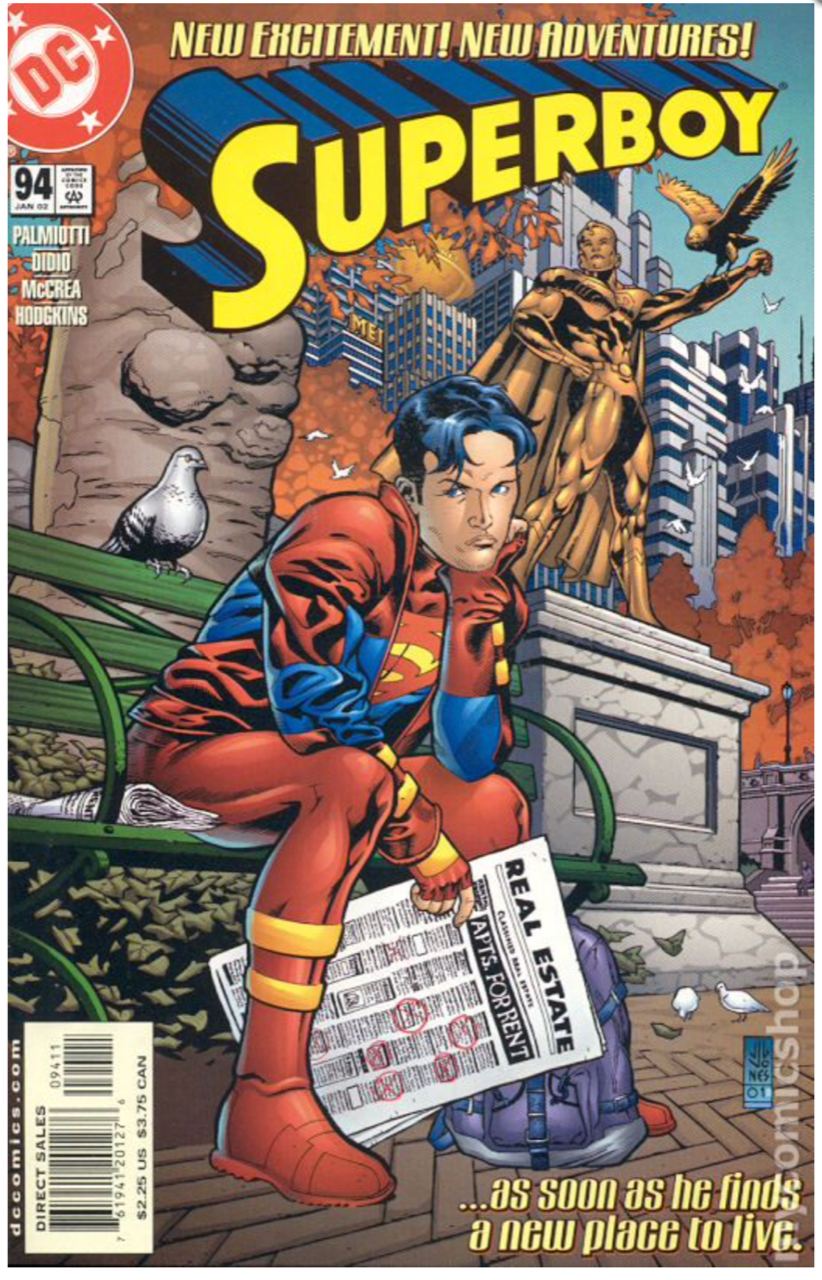
I got lucky- getting Superboy and Deadpool out of the gate and even luckier to land two creator books with my buddy Justin Gray with 21 DOWN and THE RESISTANCE at Wildstorm. It went even better when Black Bull Comics asked me to pitch some ideas and Beautiful Killer and New West happened alongside Gatecrasher. To be honest, when I was in that place, I kept working as hard as possible to make sure no one would think of me ever only as an inker again. I took on any work offered while keeping my own ideas flowing. Monolith came soon after and then Jonah Hex, Powergirl and up to current times, Harley Quinn. All this time, I kept producing my own creator owned under the Paperfilms banner because I knew the loyalty level of these companies is super low and people like us are disposable to them, so I always needed a plan “B” and creator owned comics was exactly that.
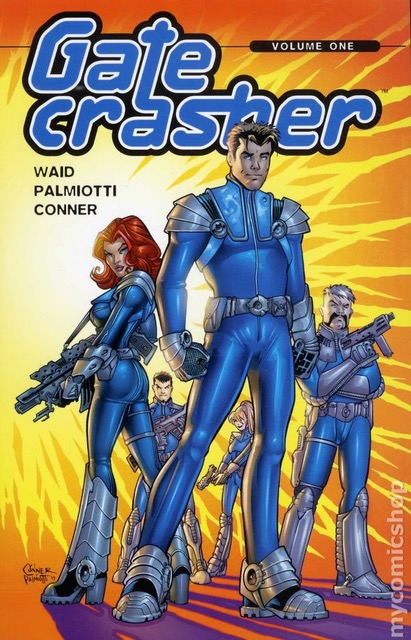
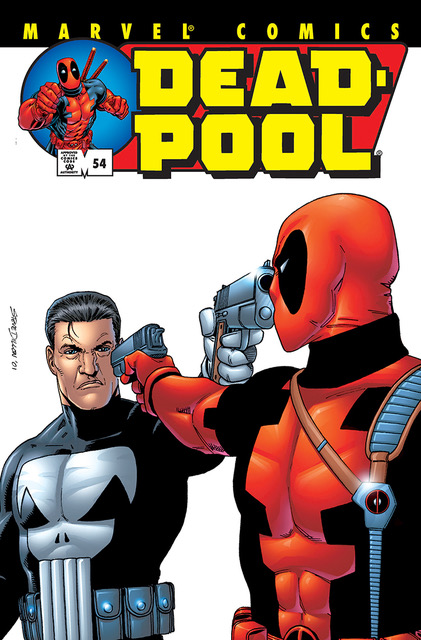
I know I am jumping all over the place time wise, but the point of all this is I had to see myself as a writer, and learn the craft before any pitching and had to learn a pass from an editor meant I had to work harder on the next pitch and not let it get me down. In the end, looking back, people will mostly only remember my successes and for the first-time people know me as a writer now that used to ink comics. That to me means the hard work paid off finally and all I have to do now is learn to color, letter, do more penciling, direct a movie and fly a jet. Yup, the list is growing.
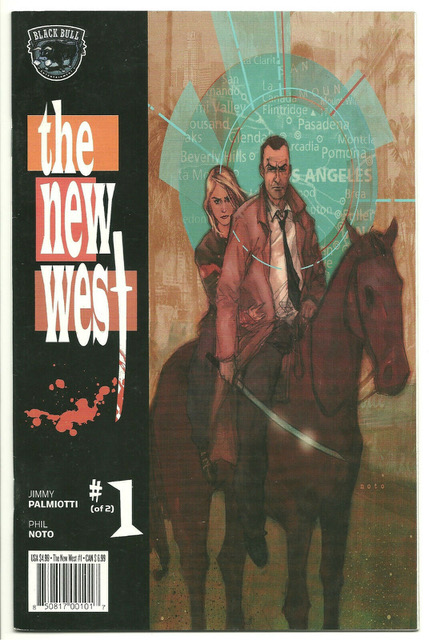
Jimmy Palmiotti